

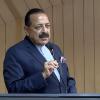
In a post on social media platform X, Makihara said he had personally been involved with the project and alleged that the Japanese team had worked with full dedication but failed to achieve the expected results. He claimed that the Indian side did not fulfill commitments, moved away from agreements, and repeatedly changed conditions according to its own preferences, which affected the project’s advancement.
Makihara made these remarks regarding the Mumbai-Ahmedabad Bullet Train project, which was inaugurated by Prime Minister Narendra Modi and former Japanese Prime Minister Shinzo Abe on September 14, 2017.
Responding to Makihara’s remarks, the Indian Ministry of External Affairs stated that discussions between India and Japan on the project are progressing well.
According to Makihara, the visit of Japanese Prime Minister Sanae Takaichi also did not produce any significant outcome regarding the matter. Takaichi visited India from July 1 to July 3, 2026. During the visit, both countries announced 129 agreements aimed at strengthening cooperation in investment, industries, manufacturing, technology, skill development, and supply chains.
Makihara also shared a report from Toyo Keizai Online in his post, which claimed that Japan was not included in the development of the most important safety system of the Bullet Train project, the signaling system. Makihara said that the entire responsibility for the project not moving forward rests 100 percent with the Indian side.
Indian Ministry of External Affairs spokesperson Randhir Jaiswal said that discussions between India and Japan on the Mumbai-Ahmedabad High Speed Rail project are progressing positively. He stated that Japan’s E-10 train series is currently under development and is expected to be supplied in the early years of 2030. Both countries have decided that Indian high-speed trains will begin operations on the first section scheduled to start in 2027.
India Rejects Allegations Over Project Dispute
The Indian government has rejected reports suggesting disagreements with Japan over the Mumbai-Ahmedabad Bullet Train project. The Ministry of External Affairs said that the comments made by the former Japanese minister represent his personal opinion and do not reflect the actual situation.
The ministry stated, “We have seen the related post. It is the personal opinion of an individual, which is significantly different from the facts.”
The ministry further said that discussions between India and Japan regarding the Mumbai-Ahmedabad High Speed Rail project are moving forward smoothly and both countries are working together on the initiative.
Bullet Train Project Started in 2017
India’s first Bullet Train will operate between Mumbai and Ahmedabad. The 508-kilometer journey between the two cities will be completed in approximately three hours by the high-speed train, compared with the current travel time of seven to eight hours.
The estimated cost of the Mumbai-Ahmedabad Bullet Train project is around ₹2 lakh crore. Japan’s government agency JICA will provide nearly ₹88,000 crore for the project. India will receive this loan at an annual interest rate of only 0.1 percent.
India has been given 50 years to repay the loan, with no installment payments required during the first 15 years. Japan has so far approved 1,150 billion yen, approximately ₹55,000 crore, for the project. Japan is also providing Shinkansen technology, training, and technical expertise to India.
Of the total 508-kilometer route, 351 kilometers will pass through Gujarat and 157 kilometers through Maharashtra. Around 92 percent of the total track, covering 468 kilometers, will be elevated. A 7-kilometer section in Mumbai will run under the sea, while 25 kilometers of the route will pass through tunnels and 13 kilometers will be constructed at ground level.
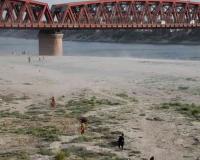
The Bullet Train route will cross 70 highways and 21 rivers. The project includes the construction of 173 major bridges and 201 minor bridges.
The service will initially begin with 35 Bullet Trains featuring 10 coaches each. These trains are planned to operate 70 trips daily, with each train having a seating capacity of 750 passengers. Later, the trains will be expanded to 16 coaches to accommodate 1,200 passengers. By 2050, the number of trains is planned to increase to 105.
The controversy surrounding the Mumbai-Ahmedabad Bullet Train project highlights differences in claims between a former Japanese minister and Indian authorities, while both governments continue to maintain that bilateral cooperation on the high-speed rail project remains active and ongoing.
About The Author







Comment List